Why fear easily turns into anger
Fear and worry often lead to anger and irritability. This becomes even more noticeable during stressful periods. Small triggers can quickly cause a strong emotional reaction.


Anger as a secondary emotion
It is not uncommon to have a shorter temper when you are experiencing fear or stress. Psychologist Anna Bennich explains this phenomenon. Anger is often a secondary emotion. It arises as a response to something you feel before you become angry. Because this process happens very quickly, we usually only notice the anger itself, not what came before it. Emotions such as fear, insecurity, hurt, or shame can activate this “angry soldier.” Anger serves a protective function, helping us defend ourselves against situations we perceive as threatening.
The illusion of control
In situations where fear takes over and we feel powerless, anger can become a way to regain a sense of control. When we experience intense discomfort or anxiety, we naturally try to reduce those feelings. Reacting or taking action can provide temporary relief because it creates the impression that we are in control of the situation. However, this feeling of control is often short-lived. In the long run, such reactions may actually increase anger rather than reduce it, because the underlying fear remains unaddressed.
Different ways of responding
Not everyone reacts to fear and tension in the same way.
- Some people become angry and express it outwardly, sometimes impulsively or intensely.
- Others turn inward, withdraw, and become passive.
Both reactions are ways of coping with the same underlying emotions, but they do not always lead to a lasting solution.
Focus on the underlying feelings
The key is recognising the emotions that lie beneath your fear. By taking a moment to pause, breathe calmly, and identify what you are truly feeling, you create space to respond differently. Talking to someone can also help. This allows anger to lose its grip and creates more inner calm. This insight can also help when dealing with others. An unexpectedly strong reaction is often driven by fear or stress. Understanding this makes it easier to respond with empathy and remain calm yourself.
How can Doktr help you?
Would you like to learn how to manage stress, fear, or emotions such as anger more effectively? Through the Doktr app, you can quickly and discreetly speak with a licensed psychologist by video consultation. This gives you access to professional advice and support whenever you need it.
Doktr n’est pas une salle d’urgence
L'aide offerte par les prestataires de soins de santé concerne uniquement des questions d'ordre médical ou psychologique et ne nécessitant pas de soins d'urgence ou d'hospitalisation. Si vous devez être hospitalisé d'urgence, appelez le 112.

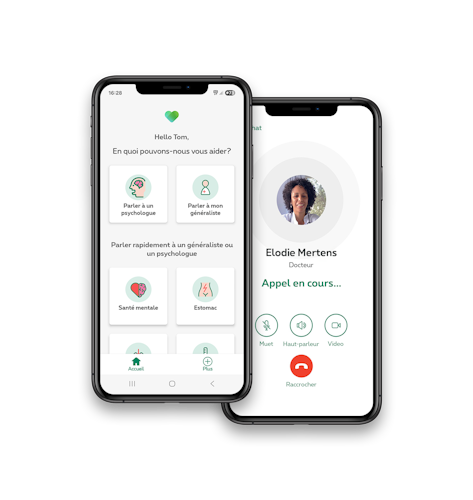
Consultez un médecin généraliste ou un psychologue en ligne
- Une seule app pour vos soins physiques et mentaux
- Sans délais d'attente
- Où que vous soyez