Digital detox can boost life satisfaction
We spend more and more time behind screens—whether on social media or other platforms. While technology makes life easier in many ways, excessive digital consumption can negatively impact our well-being.
That’s why more people are choosing to take a conscious break from their devices and go on a digital detox. This not only reduces stress but also improves mental health, self-image, and overall quality of life.
- Validated by a general practitioner


What is a digital detox?
A digital detox is a deliberate pause from electronic devices, social media, and the internet. In a world where we’re constantly online, disconnecting can feel challenging, especially for younger generations who have never known life without screens. Yet finding a balance between online and offline is essential for protecting mental health.
The goal? Less scrolling, reduced screen time, and more real-world experiences. This helps lower stress and encourages living more mindfully in the moment.
How does a digital detox impact well-being?
Research shows that taking a break from social media can improve happiness and overall quality of life, mainly during the detox, but also to some extent afterwards. This was confirmed by a 2018 study from Stanford University, which examined the impact of a one-month break from Facebook on participants.
The researchers found that participants felt less anxious and happier. The Facebook break also led to reduced platform use even after the digital detox.
Signs you might need a digital detox
Do you recognise these signs in your daily life? If so, it might be time to consciously step away from your screens and create more offline moments.
- You’re often distracted: You struggle to focus on tasks or conversations because you’re constantly interrupted by your smartphone, social media, and notifications.
- You sleep poorly: You scroll on your phone before bed, and the blue light disrupts your natural sleep cycle.
- You experience physical discomfort: Prolonged smartphone and computer use can lead to eye strain, headaches, and neck or back pain.
- You find it hard to relax: Being constantly online keeps you in “always-on” mode. You feel restless or anxious when you don’t have your phone with you.
What are the benefits of a digital detox?
A digital detox can have many positive effects on your well-being and daily life. Here are some key benefits:
- Better productivity at work or school: Spending less time on your phone and social media means more focus and concentration. This helps you work more efficiently and achieve better results.
- More free time: By limiting screen time, you suddenly gain extra hours in your day. You can use this time for hobbies, sports, or quality moments with family and friends. Imagine spending an average of four hours a day on your phone—without that distraction, you could start a new hobby or simply enjoy the present moment more.
- Less FOMO (Fear of Missing Out): Many people feel pressured to stay online constantly out of fear of missing something important. By reducing phone use, this anxiety decreases, and you experience more peace of mind.
- Better sleep: Blue light from screens can disrupt your sleep. By avoiding screens at least two hours before bedtime, you’ll fall asleep faster and sleep more deeply.
- A more positive self-image: Social media often shows only the highlights of other people’s lives, which can lead to constant comparison and a negative self-image. By spending less time on platforms like Facebook and Instagram, you reduce the pressure to compare yourself with others and develop a healthier self-esteem.
How to start a digital detox: step-by-step
Step 1: Awareness
Take a moment to reflect on your social media and internet use. Check your screen time or notice how often you scroll without thinking. In your device settings, you can see how much time you spend on different apps, such as Instagram, each day. The first step is becoming aware of how much time you spend behind a screen daily.
Step 2: Set clear goals
Define your motivation and make a list of goals you want to achieve with your digital detox. Do you want to spend more time with family and friends, sleep better, or develop a more positive self-image? The more specific and powerful your goals, the greater the chance you’ll stick to the detox.
Step 3: Create a plan
Set up a realistic and achievable schedule that outlines which devices or apps you want to use less. Start small and build up gradually. For example: begin with screen-free evenings and later extend this to longer periods without screens.
Step 4: Inform your circle
Let your loved ones know you’re doing a digital detox so they understand why you’re less reachable. Their support can help you stay motivated and committed.
Step 5: Follow your plan and reduce screen time
Stick to your plan and gradually reduce your screen time. Begin with small changes, such as turning off notifications and avoiding your phone before bed. Then, introduce longer screen-free periods and eventually find a better balance between online and offline life.
Step 6: Replace digital activities
Find alternatives to screen use. Plan real-world activities like going for a walk, meeting friends, or starting a new hobby. This way, you spend your time meaningfully instead of endlessly scrolling.
Step 7: Evaluate and adjust
After a while, review your schedule and adjust based on your experience. Have you found the right balance? If so, you can maintain this new, balanced lifestyle with fewer screen hours and better mental health.
By consciously managing your digital habits, you create more peace, focus, and connection in your daily life.
Tips for success
Want to spend less time on social media? Try these tips to break your digital habits:
- Make certain areas in your home screen-free, such as the bedroom and dining room.
- Schedule one screen-free day per week.
- Set your phone to ‘Do Not Disturb’ during focused work or at night.
- Apply time limits to your most-used apps.
By doing this, you’ll create more peace and balance in your daily routine.
How Doktr can help
With the Doktr app, you can quickly connect with a psychologist via video, without long waiting times. They can guide you towards a healthier balance between online and offline life.
Doktr is geen spoeddienst
De huisartsen via de Doktr-app kunnen alleen hulp bieden bij primaire medische of psychologische vragen die geen spoedeisende hulp of ziekenhuisopname vereisen. Indien je een dringende ziekenhuisopname nodig hebt, bel dan naar 112.

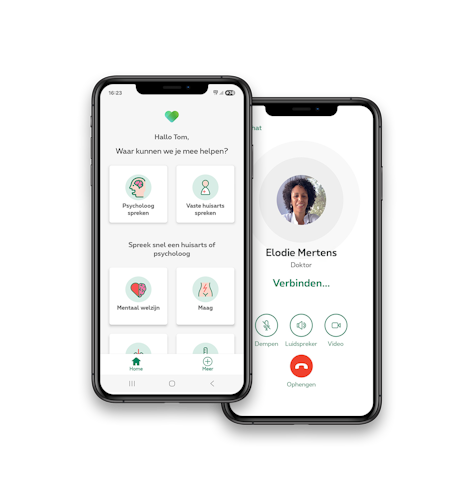
Spreek snel met een huisarts of psycholoog online
- Één app voor fysieke en mentale zorg
- Zonder wachttijden
- Waar je ook bent