8 tips to overcome insomnia
The body and the brain need to recover from the events of the day, but what should you do when sleep doesn’t come? Psychologists have identified 8 common causes of insomnia and formulated a number of tips to improve your sleep.


1. Avoid naps
Napping is an extremely effective way to reduce the need for sleep at night. A 15‑minute nap is roughly equivalent to a full hour of nighttime sleep. Research nevertheless shows that a nap taken after 3:00 p.m. can make it harder to fall asleep in the evening and may shift the sleep window to a later time (by up to three hours).
2. Relax
Even if many people are not aware of it, most of the things we do to relax mainly distract us rather than actually calm us down. Have you ever noticed your pulse speeding up at the end of a crime novel or a thriller? Or how relaxed you really feel when you turn off your computer and go straight to your bedroom?
That is why it is generally a good idea to spend half an hour stopping your thoughts about the day’s concerns or what the next day may bring, turning off all screens, possibly listening to soothing music you enjoy, or doing a relaxation exercise.
Electronic screens such as televisions, mobile phones and computers inhibit our own production of melatonin, the sleep hormone, making us more alert and awake. Avoid watching television or using mobile phones and computers for 30 minutes before going to bed.
3. Caffeine
Caffeine acts as a stimulant of the nervous system, which simply means it increases the body’s alertness. Did you know that it takes six hours to reduce by half the amount of caffeine absorbed by the body after drinking a cup of coffee?
Even if the energising effect of caffeine has long since worn off, the body continues to expend a significant amount of energy breaking it down, keeping us more alert. Do not forget that caffeine is not only found in coffee, but often also in tea (black tea and green tea contain large amounts), soft drinks, energy drinks, medication, diet products and sweets.
4. Nicotine
Nicotine, like caffeine, is a stimulant drug. As a result, although many people claim that smoking helps them relax, nicotine actually increases the body’s alertness.
Obviously, the best option is to quit smoking altogether. However, to improve sleep, it may already help to try giving up cigarettes and smokeless tobacco a few hours before going to bed and when you wake up during the night.
5. Physical activity
Physical activity can reduce stress hormone levels in the body, making relaxation easier. For example, you could go for a calm walk or do some light exercise. Avoid engaging in physical activity during the three hours before falling asleep.
Read this to learn more about the effects of sleep deprivation on your body.
6. Thoughts that disturb sleep
If you tend to ruminate or worry in bed, it may be helpful to write down your concerns on a piece of paper before going to sleep or while you are in bed. By doing so, you can leave dealing with them until the next day.
7. Can’t fall asleep? Get up and do something calming!
Still not asleep after about half an hour? (No need to look at your watch!) Then get out of bed, go to another room and do something calm and pleasant. Avoid physically demanding activities and those involving electronic screens. Only return to bed when you once again feel the signals of sleep.
The goal is that your bed is not associated with a place where you cannot fall asleep.
8. Get up at the same time every morning
It is important to go to bed and get up at the same time every day, even at weekends! By establishing a regular routine, you will more easily develop consistent sleep habits.
How can Doktr help you?
If you have tried all of this and your insomnia persists, you can contact a general practitioner and/or a psychologist via the Doktr app to help you address your sleep problems.
Doktr is geen spoeddienst
De huisartsen via de Doktr-app kunnen alleen hulp bieden bij primaire medische of psychologische vragen die geen spoedeisende hulp of ziekenhuisopname vereisen. Indien je een dringende ziekenhuisopname nodig hebt, bel dan naar 112.

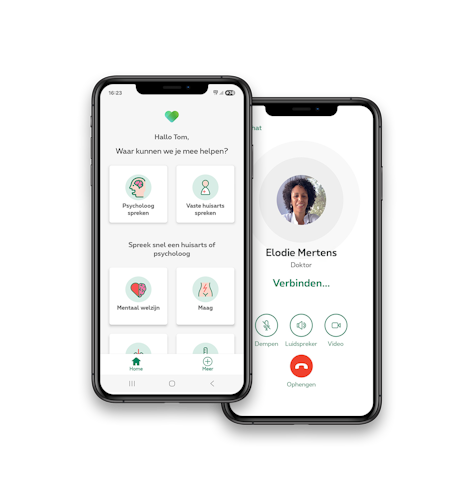
Spreek snel met een huisarts of psycholoog online
- Één app voor fysieke en mentale zorg
- Zonder wachttijden
- Waar je ook bent